

Stressful situations can cause your blood pressure to spike temporarily. When you are stressed, your body produces a surge of hormones and these hormones temporarily increase your blood pressure by causing your heart to beat faster and your blood vessels to narrow.
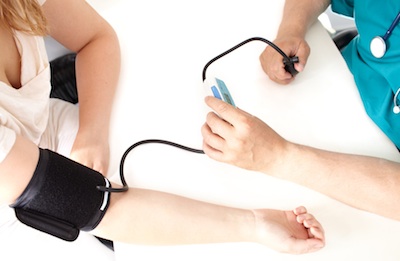
Stress and long-term high blood pressure
These temporary spikes in blood pressure could lead to long-term high blood pressure, however, there has not been a connection made that stress by itself causes long-term high blood pressure. It may be that other behaviors linked to stress — such as overeating, anxiety, depression, isolation from friends/family, drinking alcohol and poor sleeping habits — cause long-term high blood pressure.
Stress and long-term high blood pressure may not be linked, but taking steps to reduce your stress can improve your general health, including your blood pressure. Mastering stress management techniques can lead to other behavior changes — including those that reduce your blood pressure.
Stress Reducing Activities
There are many options for reducing stress and managing stress:
- Try meditation and yoga. Yoga and meditation strengthens your body and helps you relax. It is different then "normal exercise" because it involves bringing your mind to the activity.
- Simplify your schedule. Take the time to prioritize your schedule. If there are activities that take up your time but are not important, remove them or schedule less time for them.
- Breathe to relax. Learn to take deep abdominal breaths when you are feeling stressed.
- Get plenty of sleep. Sleep is important to your health. When you are well rested, your body is able to deal with stress. Of course, the opposite is true if you are not getting enough sleep.
Terms & Conditions
Subscribe
Report
My comments